Monitait Vision Engine · for machine builders
Camera inspection on every encoder step, counting and machine data for OEE, gauge and sound checks, and an assistant that knows the line. On one edge PC, offline, with the operator screen in your language.
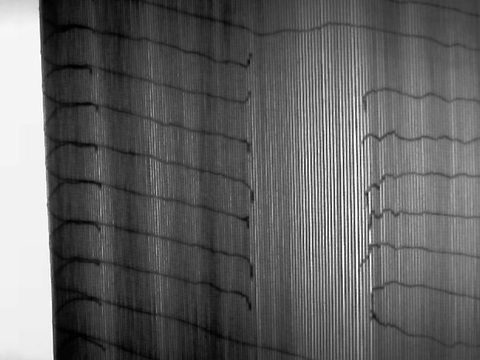
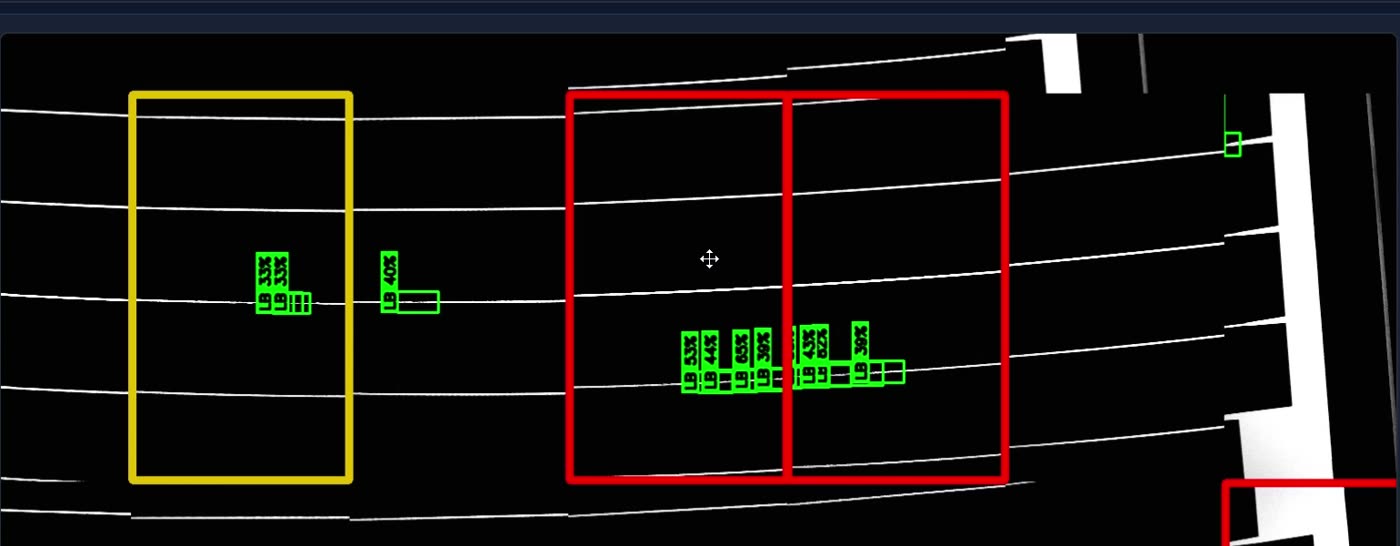
tire cord · weft
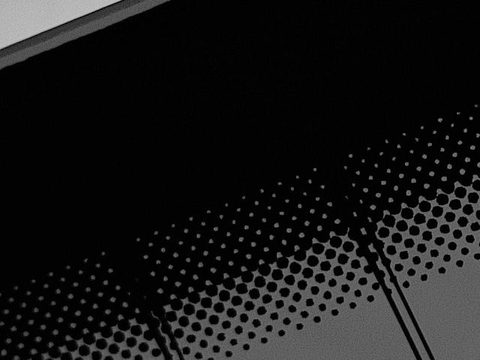
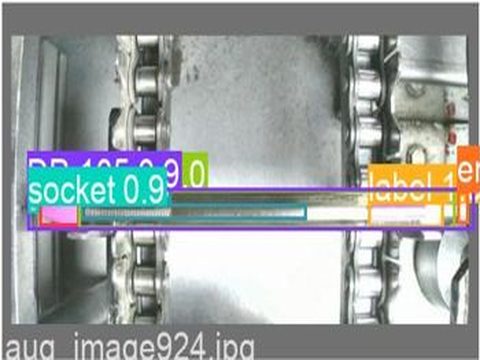
rear glass · heater line
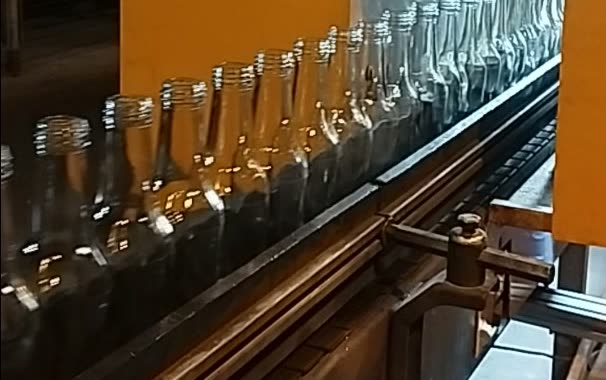
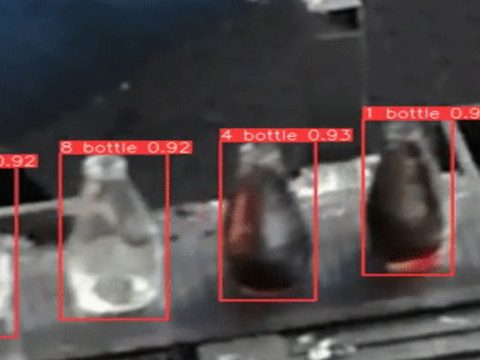
bottles · count
pen · end cap
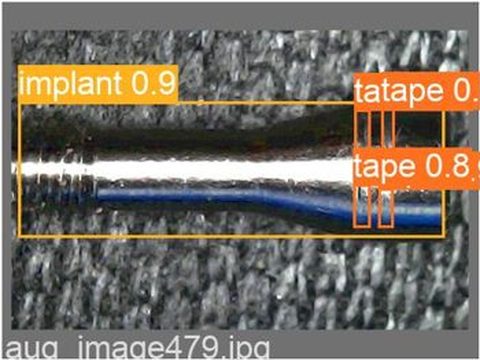
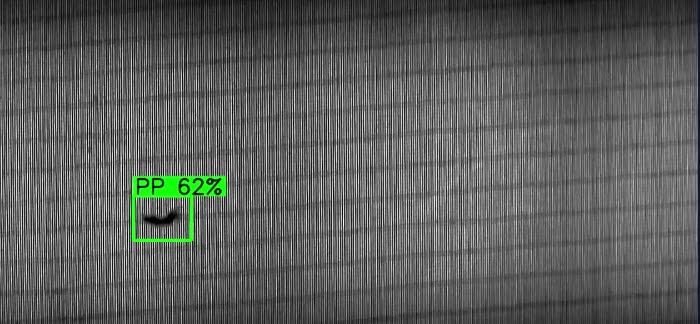
implant · scratch60+ measurement channels (texture, darkness, colour ΔE, spacing) find many defects with no training data. The AI model is added as labels come in from the line, one click per frame.
MVE inspects and reports next to your inspectors before it rejects anything. The customer signs the pass / fail criteria up front, so the go / no-go is a measurement, not an opinion.
Reject rules are edited on the screen: count, area, colour drift, AND / OR, per camera. The source code is public, the models are standard YOLO files, and the data stays with the customer.
Every line below has run at a customer: about 20 factories since 2021. One edge PC, no cloud, no per-camera fee, public source code.
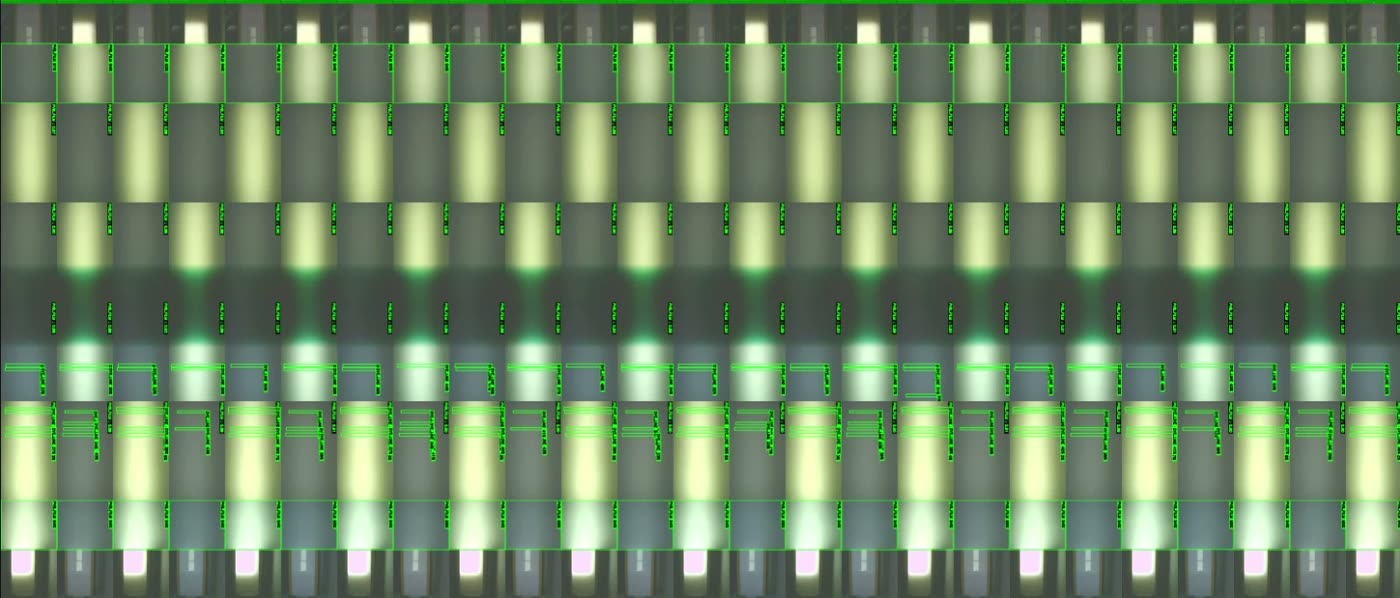
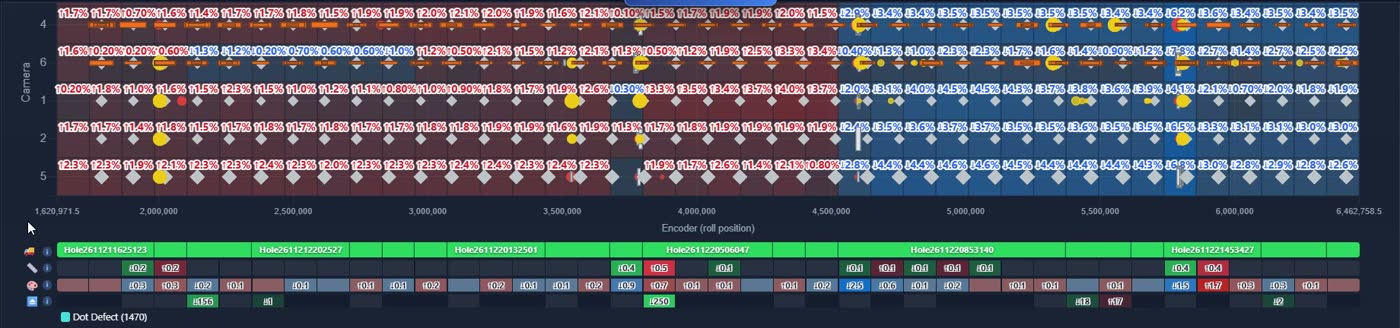
Cameras on the encoder, defects found per frame, rejects fired at the right position. Fabric, film, glass, bottles, pens, cartons.
Counts, stops, speed, temperature, pressure, weight and tank level from any machine. Existing PLCs and HMIs connect over MQTT, old machines through our I/O box.
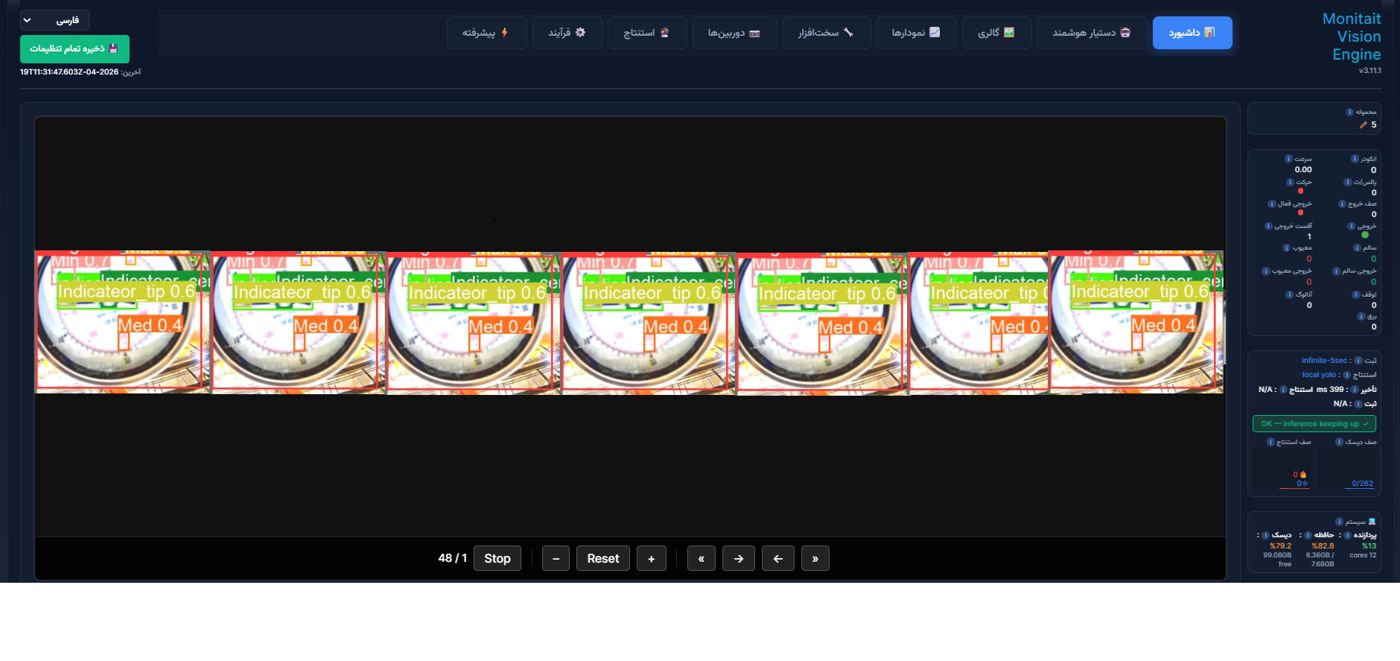
A camera reads the analog dials and digit displays an old machine already has. No new sensor, no rewiring of the machine.
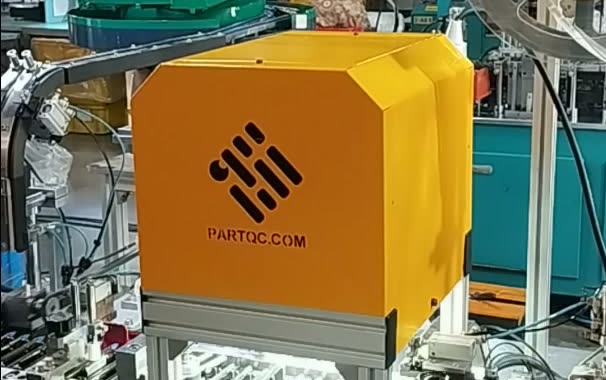
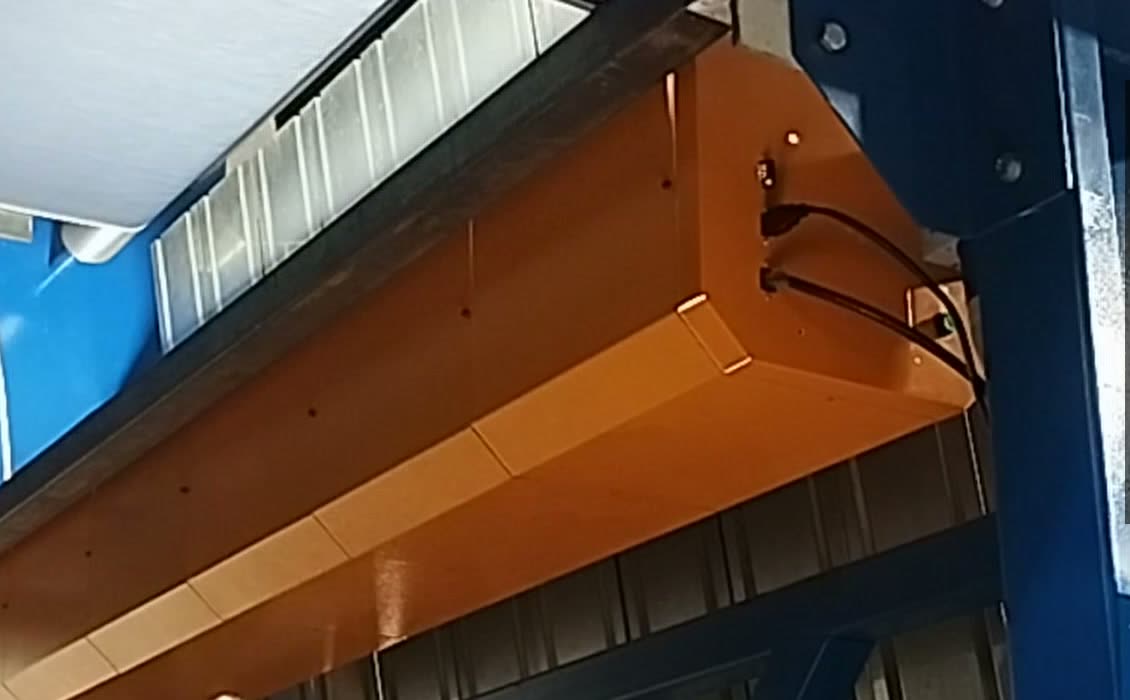
An inspection box on the assembly machine checks every part, like the tip of every ball pen. Injection moulds watched shot by shot, and OK / NG by sound for engine parts the eye cannot judge.
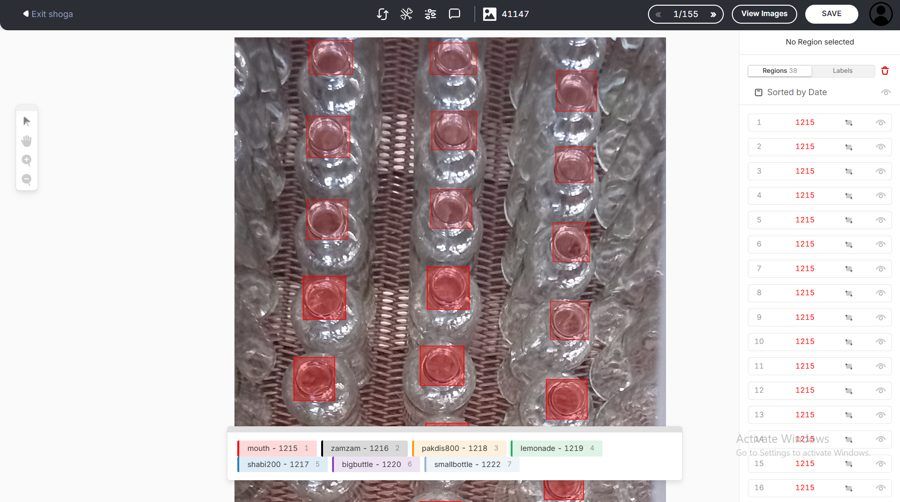
Label in the browser, train, send the model back to the machine. Boxes, polygons, classification and OCR. AI pre-labels images; you correct them or steer it with a text prompt.
An assistant inside the machine that answers from its own data, manuals and SOPs, with sources. Runs on a local model if the factory wants no cloud (on a larger GPU).


All field figures come from our own deployments: watcher counts, site configurations and training runs. Model scores are validation scores, not line accuracy.
Try it on your own part: open the live demo (ten of our models in your browser; the first load can take a minute).
Describe your line once. MVE picks the camera, counts the cameras, prices all three ways to buy and works out the payback from your own numbers.
A free feasibility check from your images: can it be seen, with which camera and light. If you need more, an on-site pre-flight study puts a cost on the problem, builds the defect album and ranks the defects with you, before any hardware is bought. feasibility free · 1–2 weeks · pre-flight study on site, quoted
Standard PC, any camera, public source code, and a team with years of line data behind it. The base for every stage after. day one
Cameras, light and encoder on the line. The model learns your defects in shadow mode, then MVE starts rejecting. pilot · about 4 months to the go / no-go decision
Self-healing cameras, offline operation, remote support and tested updates. The station keeps working when nobody watches it. from go-live
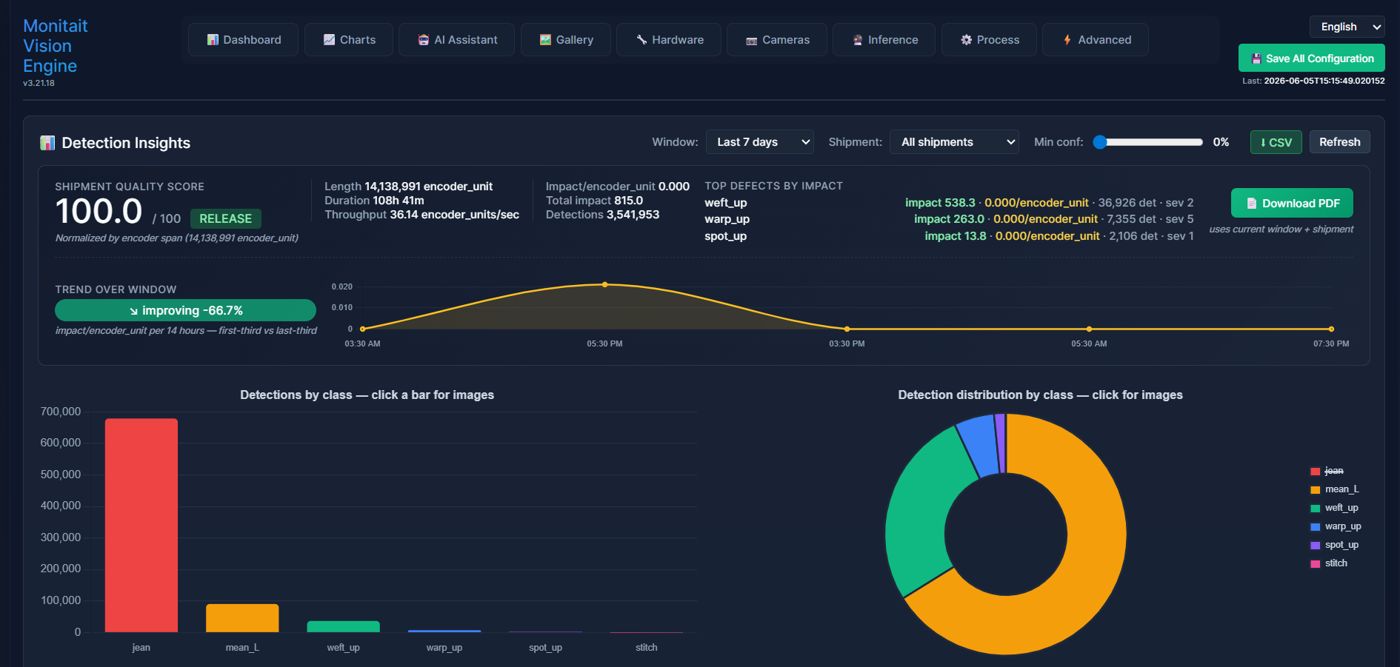
Every batch and shipment gets a score, a verdict and a PDF. Quality drift shows up in charts before customers complain. switch on per line
AI assistant, knowledge base and OEE monitoring run on the same PC and the same data. Switch each one on when you need it. per line · no new hardware with a cloud model
Durations from our own projects. Nothing is rejected on the line until the pass / fail criteria you signed are met.
20–50 images or a video; a written verdict per defect type, plus camera and light.
1–2 weeks · freeCameras, light, PC and I/O box fitted and wired on your demo machine.
~1 monthRuns at your first customer, reports only; model retrained in rounds.
~2 monthsCriteria met, rejects switched on, operators take over.
~1 monthGolden image on each new machine, tested remote updates.
ongoingQuote it as an option or fit it as standard. Retraining and support become a service contract you own; we do the engineering behind it.
The screen shows Monitait. We support the end customer together with you.
Your brand on the screen, "vision by Monitait" underneath. You are first-line support.
Your name and colours only. We stay behind you as the engineering team.
Buy, subscribe, or do it yourself: the planner prices your exact configuration. Buying: 40 % with the order, 40 % on delivery, 20 % on acceptance. Subscribing: monthly for 36 months, nothing up front, then buy out for 10 % or renew. The licence is per machine, never per camera.
You sign the criteria before the pilot: detection rate, false rejects, speed. The last 20 % is due only when they are met, and nothing is rejected on your line until then.
Yes. The code is public on GitHub and runs on standard parts. The free Community licence covers one machine with 7 days of image history; production needs a per-machine licence.
| Interface | What it connects | Status |
|---|---|---|
| Encoder input | Capture on every step, speed, length in metres, defect position in mm | In production |
| Digital I/O 12–24 V | OK / NG counts, machine running / stopped, reject gate output | In production |
| Analog 4–20 mA | Sensor thresholds as capture triggers (temperature, pressure, level) | In production |
| Light control | Top light / back light switching per capture phase, PWM 0–255 | In production |
| Cameras | USB 3 / UVC incl. global shutter, Basler USB3 and GigE, IP cameras over RTSP (Dahua, Hikvision, Axis) | In production |
| Serial protocol | Your PLC or controller talks to MVE over a documented serial protocol | In production |
| REST + WebSocket API | About 190 endpoints: configuration, results, shipment reports, CSV / PDF / image export | In production |
| OPC UA / Modbus TCP | Results and alarms straight into your PLC and HMI | On the roadmap |
Typically a 12-core industrial PC, 16–32 GB RAM and an NVIDIA RTX 3050 8 GB; we size it during feasibility. It runs fully offline; internet only for remote support and updates, if the customer allows it.
The end customer, in open formats (standard YOLO weights). Images stay on the edge PC unless the customer sends frames to labelling.
MVE decides OK / NG on product quality and never guards people, so it is not a safety component under Machinery Regulation (EU) 2023/1230; models are frozen and versioned on the machine. Quality inspection outside a safety function is generally not high-risk under the AI Act; we document each model. Processing stays on site (GDPR); every release is versioned and tested first (CRA / NIS2, SBOM in preparation).
Often yes: as a tax relief on the investment, an R&D credit for the custom part, or a grant. Programmes change every year, so check with your tax advisor; we write the technical description you need for the application.
Tell us your country and we point you to the programmes that usually apply.
A free, non-binding feasibility check. We sign your NDA first if you want one.
contact@monitait.com